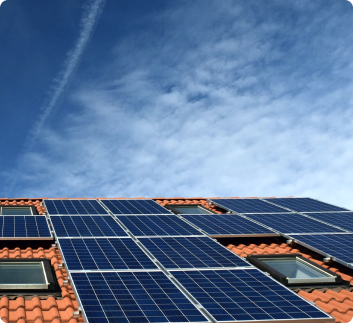
Solar PV Panels: Use silicon cells to capture sunlight and convert it into electricity via an inverter, powering household appliances.
Solar Thermal Panels: Absorb solar radiation to heat a liquid (a mix of water and glycol), which then transfers the heat to a water cylinder for use in showers and taps.
To determine which system suits your needs, it’s essential to compare their differences, benefits, and limitations.
Solar thermal panels collect energy from the sun and convert it into heat. For optimal performance, they should be installed on south-facing roofs. However, they still work efficiently on any roof facing between southeast and southwest. They are commonly mounted on pitched roofs but can also be installed on flat roofs or ground-mounted structures. In most cases, installation falls under permitted development, meaning no planning permission is required.
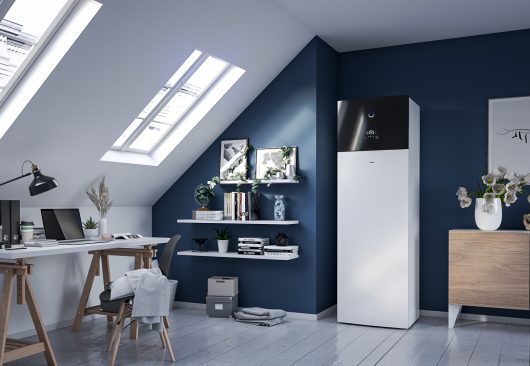
Solar Coil (Bottom Coil): Positioned at the base of the cylinder, where the water is cooler, to maximize heat transfer from solar energy.
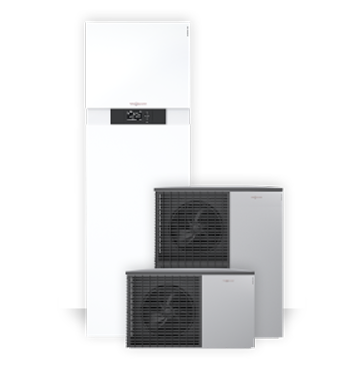
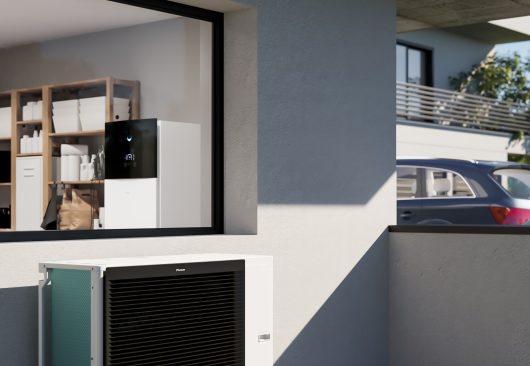
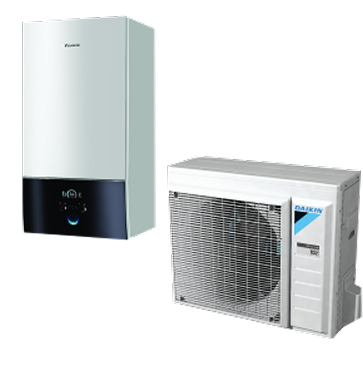
Boiler/Auxiliary Coil (Top Coil): Used when solar energy isn’t sufficient, often powered by a boiler, air-source heat pump, or ground-source heat pump.
Immersion Heater (Optional Backup): An electric backup that can be used if necessary, though it should be rarely needed with effective system controls.
Converts up to 70% of solar energy into heat, whereas solar PV typically converts around 25% into electricity.
Simpler Technology
Easier to install and operate compared to solar PV.
Environmentally Friendly
A sustainable solution for hot water heating.
Cost Savings
Reduces reliance on traditional heating systems, lowering energy bills.
Disadvantages of Solar Thermal
Less Effective in Winter
Requires direct sunlight, meaning reduced efficiency on cloudy or short winter days, whereas solar PV can still generate power in low-light conditions.
Occupies Indoor Space
Needs a dedicated hot water cylinder inside the home, whereas solar PV systems take up minimal indoor space unless paired with battery storage.
Limited Versatility
Primarily used for hot water, whereas solar PV provides electricity for multiple uses.
Shorter Lifespan & Higher Maintenance
Involves moving parts (pumps, heat exchangers) and liquid systems that require maintenance, whereas solar PV has a longer lifespan with minimal upkeep.
Why switch to Solar Photovoltaic or Solar Thermal?
Choosing between solar PV and solar thermal depends on your priorities. If your main goal is electricity generation, solar PV is the better option. However, if you want a dedicated hot water heating solution that maximizes efficiency, solar thermal could be the right choice. Some homeowners even combine both systems to achieve greater energy independence and sustainability.
I am very happy to whole-heartedly recommend their services and I plan to continue to engage Total Heating for all of our plumbing requirements in the future.
Elaine Hartigan | An Post Post Office, Prosperous, Co. Kildare – SEAI National